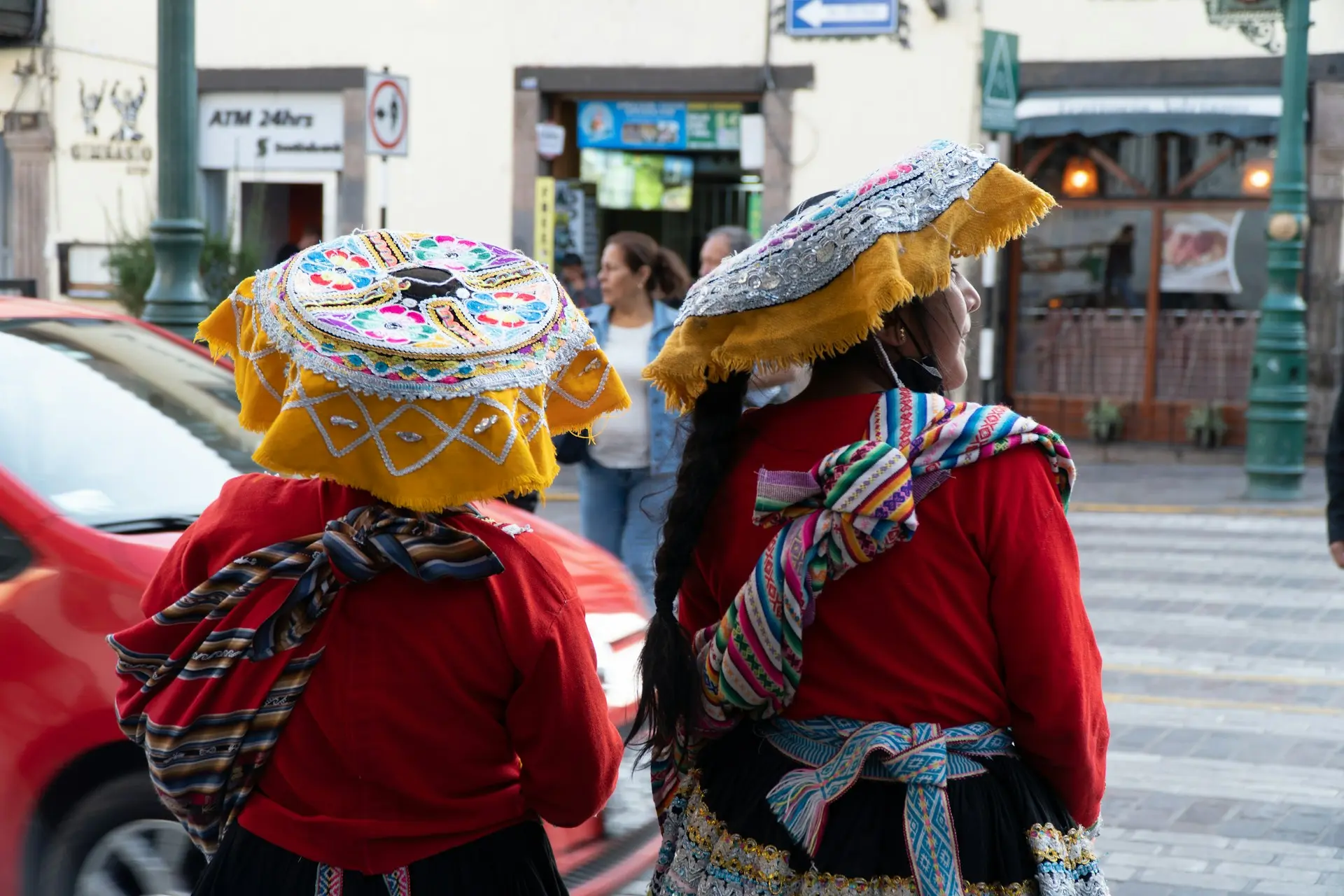
You land in Cusco, walk out of the airport and feel it within hours: a dull headache, a racing heart on the first flight of stairs, a strange tiredness. Welcome to 3,400 metres. Altitude sickness in Cusco, called soroche by locals, affects many visitors, and almost everyone feels the thin air in some way.
Quick answer: a massage cannot cure altitude sickness in Cusco. What it can do is help you relax, ease the stiffness of the journey and sleep better while your body adjusts. Choose a gentle massage, skip saunas and hot stones in the first 48 hours, and see a doctor instead if you have a severe headache, vomiting, confusion or shortness of breath at rest.
I am María Rosales, a massage therapist at Brisa Spa Cusco with 8 years of experience. Many guests come to us on their first or second day in the city, hoping a massage will fix the altitude. This guide explains honestly what to expect, when a massage is a good idea and when it is not.
Table of Contents
Why altitude sickness in Cusco is so common
Cusco sits at about 3,400 metres (11,150 feet) above sea level. Most visitors arrive by plane from Lima, which is at sea level, so they climb more than three kilometres in about an hour and a half.
The UK’s National Health Service explains that altitude sickness usually appears above 2,500 metres, that it is more likely if you go up quickly, and it advises against going from below 1,200 metres to above 3,500 metres in a single day (NHS). A flight from Lima to Cusco comes very close to that jump. Fitness does not protect you: young, athletic travelers get soroche too.
The good news is that, for most people, the body adapts in a few days. The NHS notes that mild symptoms usually improve within one to three days if you rest at the same altitude.
Symptoms: from normal to urgent
According to the NHS, symptoms usually start 6 to 10 hours after you arrive at altitude. The common, mild ones are:
- Headache
- Loss of appetite, nausea or vomiting
- Tiredness and lack of energy
- Dizziness
- Difficulty sleeping
These warning signs are different. They can mean a serious form of altitude sickness and need immediate medical help, not a spa:
- Confusion, or problems with balance and coordination
- Shortness of breath even when resting
- A cough with frothy or pink spit
- Blue or grey lips, tongue or nails
- Being very sleepy or hard to wake
If you or someone in your group has any of these, contact a doctor or your hotel straight away. Ask at your hotel reception: many hotels in Cusco can call a doctor quickly.
Can a massage help with altitude sickness in Cusco? 7 honest facts
Fact 1: A massage does not cure altitude sickness
Altitude sickness happens because there is less oxygen in each breath. Only time, rest, a lower altitude or medical treatment change that. No massage, oil or ritual speeds up acclimatization, and you should be wary of anyone who promises it.
Fact 2: It can help you relax and sleep better
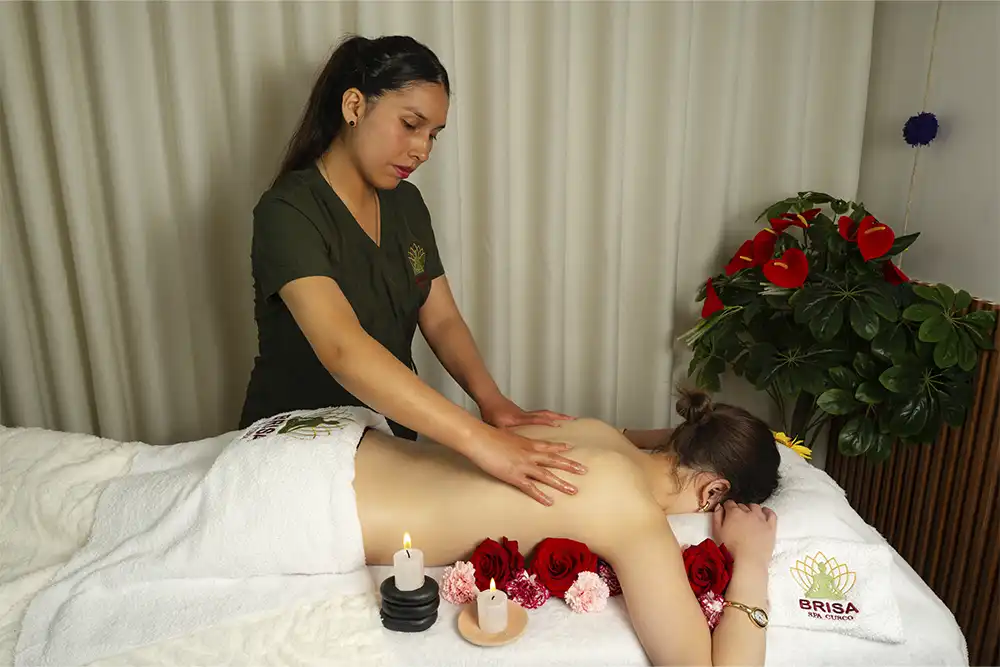
Poor sleep is one of the most annoying parts of the first nights at altitude. A slow, gentle massage helps many people unwind, lowers the feeling of tension and makes it easier to rest afterwards. Rest is exactly what your body needs to adapt.
Fact 3: It eases the stiffness of the journey
Most visitors arrive after a long-haul flight, a night in Lima and an early connection. Neck, shoulders and lower back are stiff before the altitude even starts. A relaxing massage works on that tension, which is one less thing making you feel unwell.
Fact 4: Gentle is better in the first 48 hours
During the first two days your body is already working hard. This is not the moment for an intense deep tissue session. Choose a relaxing massage, reflexology or lymphatic drainage with soft pressure, and keep it to 30 or 60 minutes. Save the deep work for later in your trip, for example after the Inca Trail.
Fact 5: Skip the heat at first: hot stones and sauna
Heat dilates blood vessels and makes you sweat, and you already lose more water than usual at altitude. Some guests feel light-headed in a hot sauna or under heated stones on their first day. At Brisa Spa we suggest leaving the dry sauna and our Inca hot stone massage for your third day or later.
Fact 6: Water and rest matter more than any treatment
The NHS recommends drinking enough water, avoiding alcohol and resting at the same altitude until you feel better. A massage is a nice complement to that plan, never a replacement. Drink a glass of water before and after your session.
Fact 7: Some symptoms mean no massage today
If your headache is severe, you are vomiting, you feel confused or you are short of breath at rest, do not book a massage. Lying face down for an hour will not help, and you may need medical care. Come back when you feel better: we will be here.
Massage or doctor? A quick guide
| How you feel | Massage? | What to do |
| Mild headache, a bit tired, short of breath on stairs | Yes, gentle | Relaxing massage or reflexology, 30–60 min, no sauna |
| Stiff neck and back from the flight | Yes | Relaxing massage, 60 min |
| Trouble sleeping, restless | Yes, in the late afternoon | Relaxing massage, then a light dinner and early night |
| Headache that does not improve with rest and painkillers | Not today | Rest at the same altitude; see a doctor if it continues |
| Vomiting, strong dizziness | No | Rest, drink fluids, contact a doctor |
| Confusion, breathlessness at rest, cough with pink spit | No | Urgent medical help |

Your first 3 days in Cusco: a gentle plan
This is the plan I suggest to friends and guests who want to enjoy the city without feeling terrible. It follows the NHS advice to rest, drink water and avoid alcohol while you adjust.
| Day | What to do | Massage |
| Day 1 (arrival) | Check in, rest, short walk around Plaza de Armas, light meals, plenty of water, no alcohol | Optional: 30-minute reflexology in the late afternoon |
| Day 2 | Easy sightseeing in the historic center, museums, a few stairs at your own pace | A 60-minute relaxing massage to sleep better |
| Day 3 | If you feel well: longer walks, San Blas, Sacsayhuamán | Any massage you like, including hot stones and sauna |
Another option many agencies recommend is to go straight from the airport to the Sacred Valley, which is lower (around 2,800 to 2,900 metres), and come up to Cusco after two or three nights. If you have had altitude sickness before, the NHS suggests asking a doctor or travel clinic about preventive medicine before your trip.
The best massages while you acclimatize
| Massage | Why it suits the first days | 60 min |
| Relaxing Massage | Slow, soft pressure, good for sleep and travel stiffness | S/80 |
| Reflexology & Tired Legs | Focused on feet and legs, you can sit or lie face up | S/80 |
| Lymphatic Drainage | Very light touch, pleasant if your ankles are puffy after the flight | S/150 |
Thirty-minute sessions start at S/50. From day three, if you feel well, you can move on to deep tissue, sports recovery or the Inca hot stone massage. Tell us it is your first or second day in Cusco when you book, and we will adapt the pressure and skip the heat.
A calm place near Plaza de Armas
Brisa Spa Cusco is at Casa de las Arpías No. 393, 2nd floor, Suite 204, a short walk from Plaza de Armas, so you do not need a taxi or a long climb. We are open every day from 9:00 to 21:00. Book on WhatsApp +51 957 075 895.
Stuck indoors because of the weather? See our list of 10 indoor things to do on a rainy day in Cusco.
Frequently asked questions
Can a massage cure altitude sickness?
No. Altitude sickness improves with time, rest and, if needed, a lower altitude or medical treatment. A gentle massage can help you relax and sleep better while your body adjusts, but it does not speed up acclimatization.
How long does altitude sickness in Cusco last?
For most people, mild symptoms improve within one to three days of resting at the same altitude, according to the NHS. If they get worse or do not improve after a day, see a doctor and consider going to a lower altitude.
Is it safe to have a massage on my first day in Cusco?
Yes, if your symptoms are mild. Choose a gentle massage of 30 to 60 minutes and avoid saunas, hot stones and deep pressure. If you have a severe headache, vomiting or breathing problems, wait and see a doctor.
Does coca tea help with altitude sickness?
Coca tea is a local tradition and many visitors find it comforting, but it does not replace rest, hydration or medical advice. Drink it as part of a calm first day, not as a treatment.
When can I have a hot stone massage or use the sauna?
We suggest waiting until your third day in Cusco, when your body has started to adapt. By then most guests enjoy the heat without feeling dizzy.
About the author. María Rosales is a massage therapist at Brisa Spa Cusco with 8 years of experience treating travelers and trekkers in Cusco. She specializes in deep tissue, sports recovery and traditional Andean hot stone massage.
This article is for general information and does not replace medical advice. If you feel unwell at altitude, consult a doctor.